How AI Is Transforming Web Applications in 2026 (From Chatbots to Intelligent UI/UX)
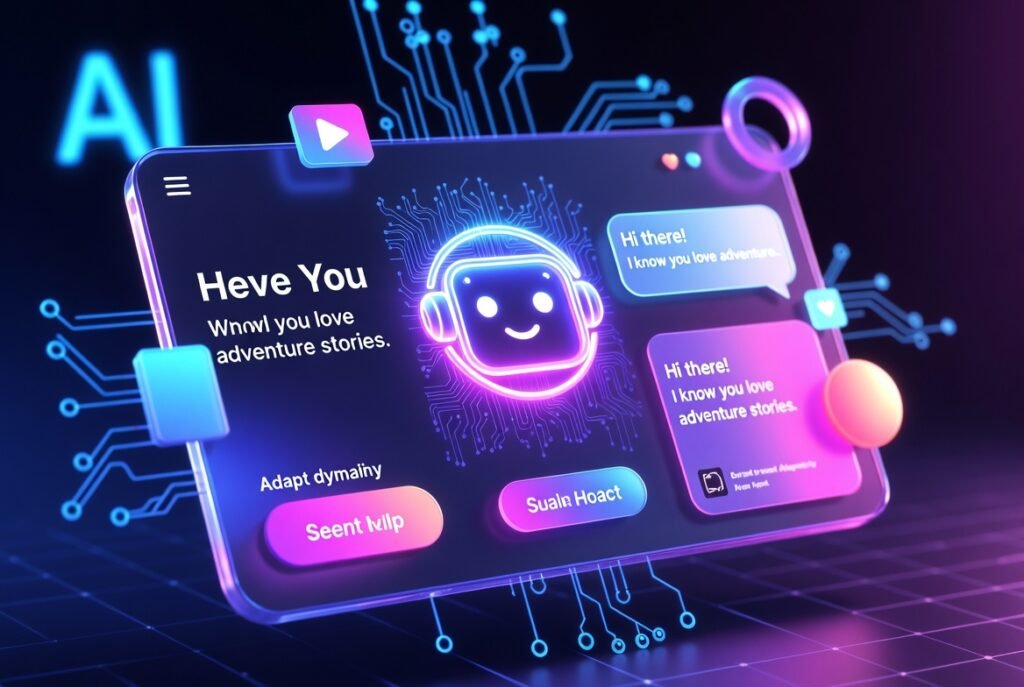
Have you ever seen a website greeting you with a personalized message and adjusting its appearance to your preferences? It may look something like this: “Hi there! I know you love adventure stories. Here are some thrilling books for you!” Then, the interface becomes colorful and easy to navigate. Large buttons and links allow you to complete actions effortlessly.
All these improvements are made possible thanks to artificial intelligence – a technology capable of analyzing website users’ behavior patterns and adapting accordingly.
Web applications are the tools we use every day to perform various tasks online, such as buying groceries or ordering movies. Traditionally, website layouts were identical for all visitors, which was far from ideal.
Today, AI transforms these applications into intelligent assistants that provide better user experience and adapt to each individual.
Here are the main ways this process occurs.
Smart Chat Assistants (Advanced Chatbots)
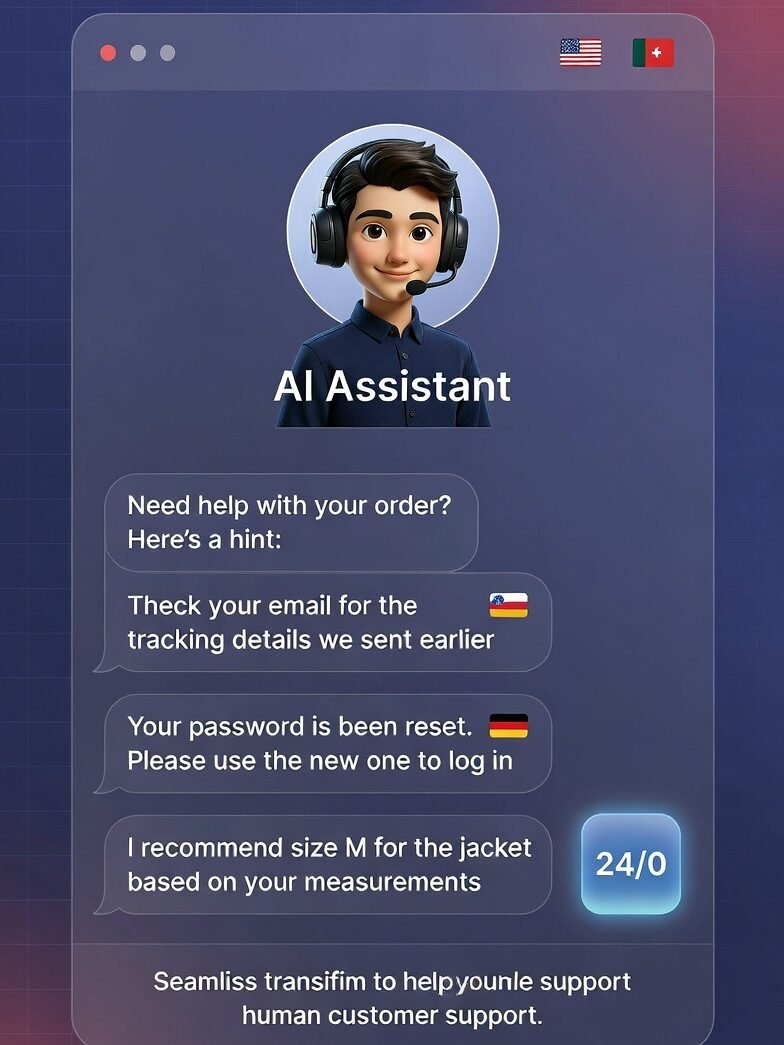
Previously, websites used automated assistants that provided standard responses. In contrast, contemporary AI chatbots comprehend full phrases, learn user needs, and refer them to a customer service representative only if necessary.
For example, in case a gamer encounters difficulties, a chatbot will offer some hints. Similarly, these assistants can complete tasks like locating a certain order, resetting password, or recommending the right T-shirt size. Chatbots operate 24/7, speak multiple languages, and connect to humans only when requested.
As a result, customers receive prompt assistance, and companies do not have to hire additional staff.
This solution saves time, resources, and nerves.
Websites That Adapt to Your Needs (Intelligent UI/UX)
While UI (user interface) refers to clickable elements on the screen, UX (user experience) stands for the overall level of comfort and convenience provided by a particular website.
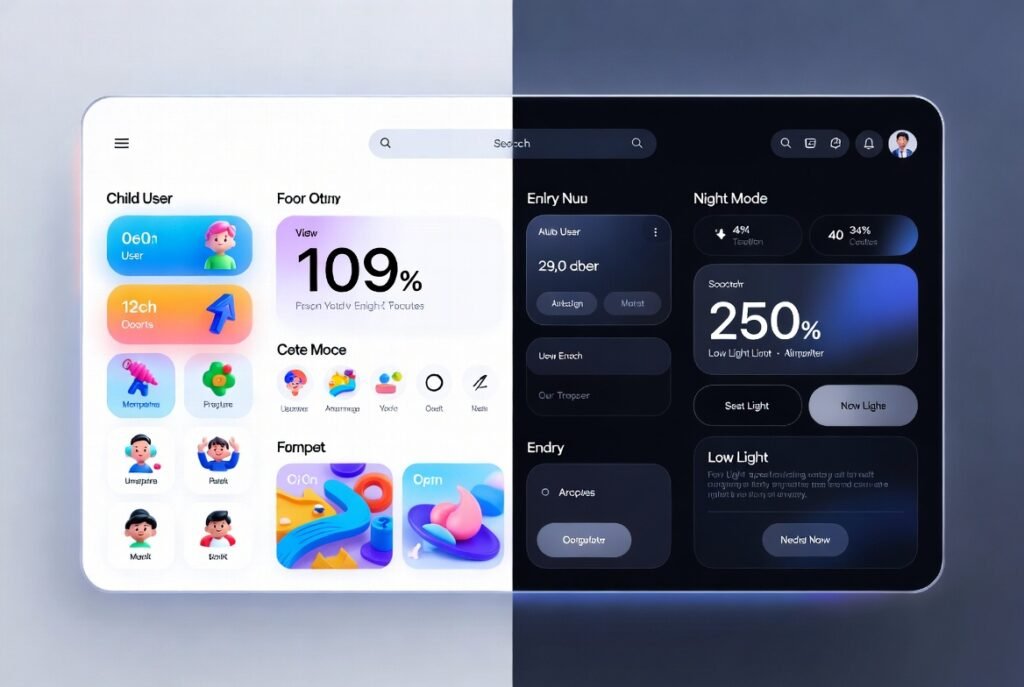
Previously, websites had identical layouts for all visitors. In contrast, AI observes the user’s behavior and automatically modifies the website’s layout, color scheme, font style, etc., according to the visitor’s needs.
For example, the website may use large icons and vibrant colors if visited by a child or elderly person. At night, the site may turn off the lights to create a comfortable atmosphere. Finally, the website can modify the text complexity and length to facilitate understanding.
This approach is referred to as adaptive or intelligent design.
Some websites use even more advanced techniques, generating brand new layouts based on current user preferences.
The ultimate goal of these innovations is to make the user experience comfortable and enjoyable.
Improved Performance and Enhanced Security
Besides, AI enables websites to detect user browsing intentions and pre-load relevant content. Thus, webpages open instantaneously.
Finally, AI monitors potential threats to protect users’ privacy. Moreover, contemporary websites incorporate voice control and gesture-based actions, enabling customers to interact with them without typing.
Here are several examples of how these innovations manifest themselves in everyday applications.

Shopping Websites
E-commerce platforms save the user’s preferred colors or previous choices to provide recommendations and improve navigation. As a result, people spend less time browsing and more time enjoying shopping.
Learning Applications
Education software adjusts the lessons’ pace depending on the learner’s performance. For example, if the student struggles with the material, it may slow down and provide additional explanations. On the contrary, it will accelerate if the learner demonstrates excellent progress.
Video and Game Websites
Such websites analyze previous user history and recommend content tailored to their preferences. Consequently, users do not have to scroll indefinitely in search of entertaining materials.
“These innovations simplify daily online activities for families, children, and adults alike.”
Potential Benefits for Individuals and Businesses:
With the advent of AI, people complete tasks more efficiently and experience less frustration when interacting with websites. Furthermore, these technologies make the web accessible to people of different ages, ethnic backgrounds, and cognitive abilities. Companies can focus on creating high-quality products knowing the user’s needs.
Privacy is another critical factor. High-quality websites always ask for permission to collect users’ data and provide opportunities to manage or erase it. Families can utilize built-in security measures to control content appropriateness.
Conclusion:
In 2026, AI continues to revolutionize web applications. The dividing line between “visiting a website” and “receiving assistance” blurs increasingly. The primary objective of these advancements remains the same – providing useful services and treating customers respectfully.
AI does not replace people; it merely complements them, taking care of monotonous tasks and enhancing website user experience. While watching a movie trailer, completing homework, or buying a gift, individuals are unaware of how much AI contributes to the process.
Contemporary websites resemble intelligent assistants rather than complex systems that require extensive expertise. Careful development and consideration of user preferences result in a harmonious interaction in the digital environment.